
Figs, Mushrooms, Mycelium: Small Resources, a Living World
- Friday, September 25 2026
- Contributed by: Takeshi Miyaoka
- Views: 16
DEVELOPMENT SNAPSHOT #34
Sweet-looking fruit, sturdy mushrooms, and layers of pale fibers. Let us step away from large machines and look at three resource cards. Some belong on a table; another is a material. Small differences can make a world feel lived in.
A splash of color, a glimpse of dinner
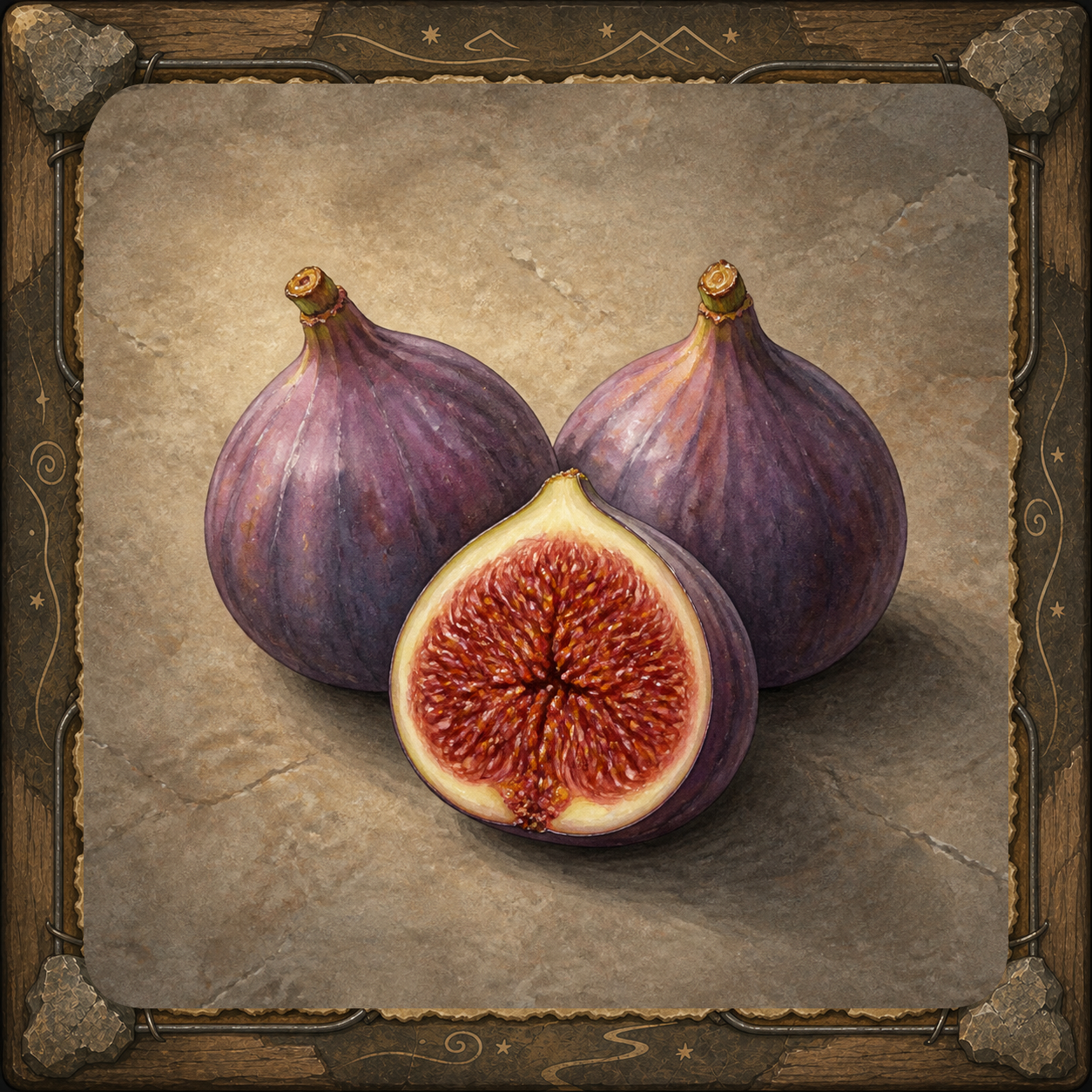
Between decisions on a vast map, a little fruit catches your eye. Suddenly, there is a market stall—or somebody's dinner—to imagine. In the current resource data, figs are classified as fruit and belong to the demand group for dietary variety. Food is not just one interchangeable number. Even a small fruit has a part to play.
An everyday plate — Mushrooms
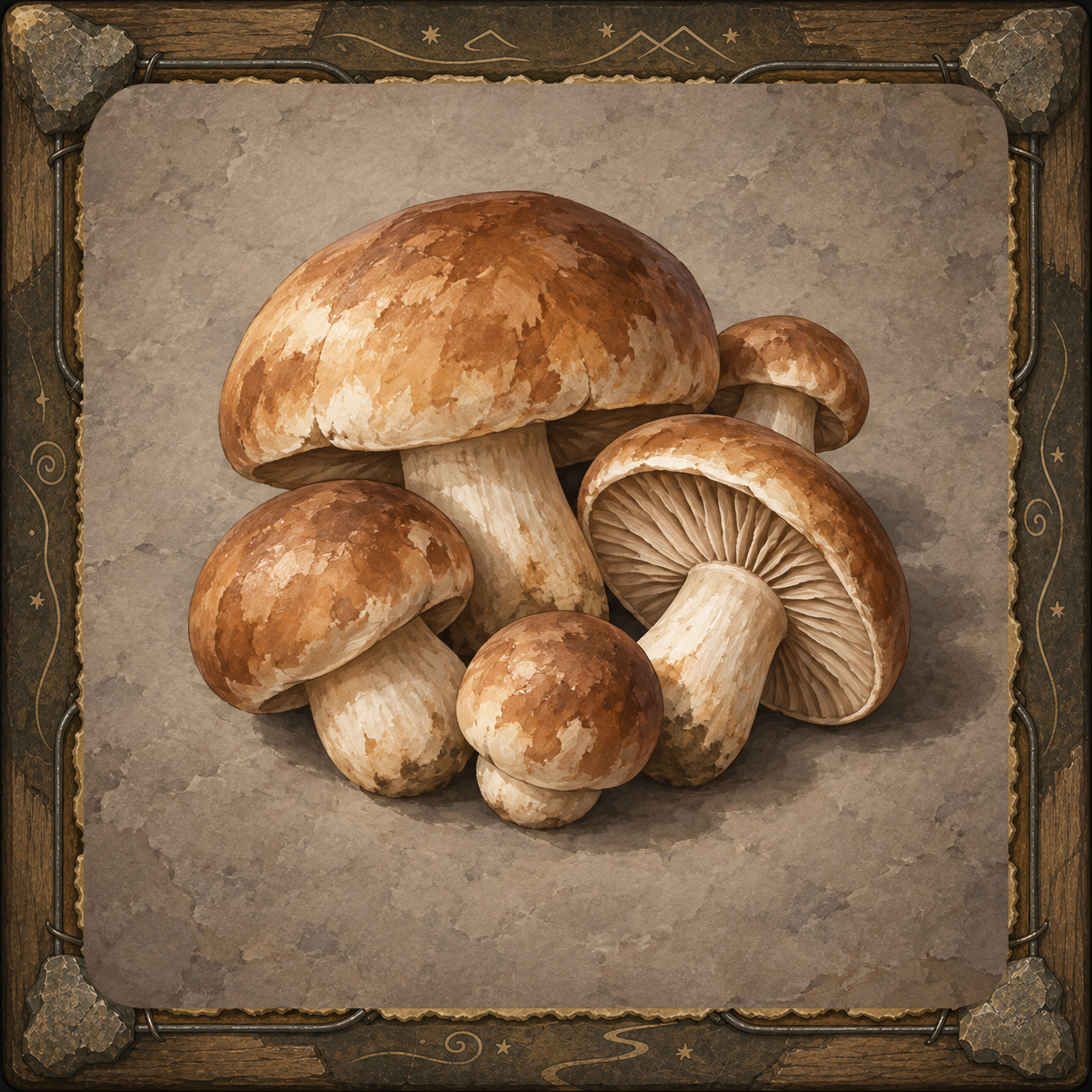
Mushrooms are classified as food and belong to the basic-food demand group. They might share a table with figs, but their data-defined roles differ. Colorful fruit beside sturdy mushrooms: little contrasts like these can make a resource list feel more like a market.
Not everything is dinner — Mycelium
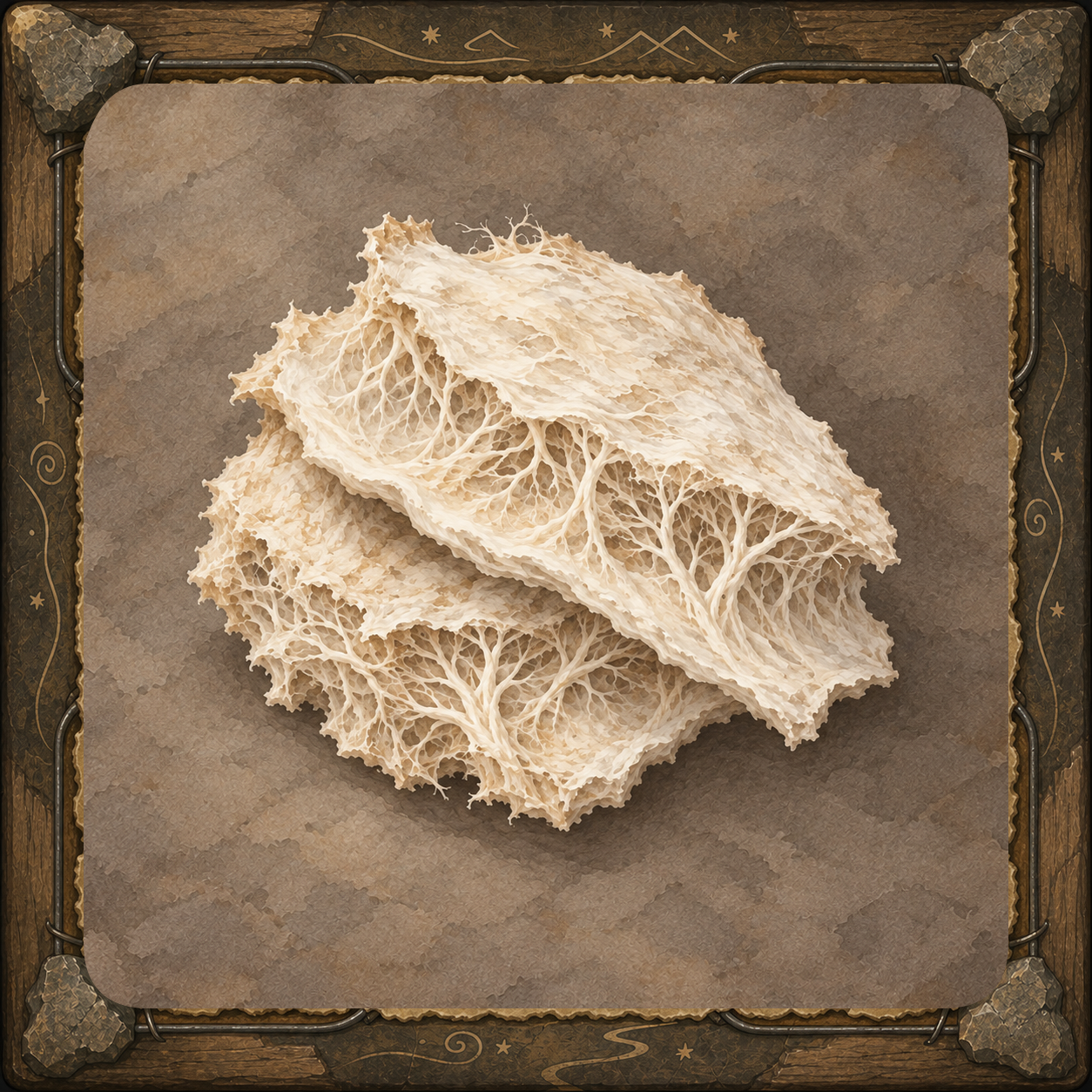
These pale fibers deserve a place beside the mushrooms. Mycelium is registered as a material rather than food. Its fine network invites thoughts of making things unlike conventional cloth or boards. That is an invitation to imagine, not a promise that a particular crafting recipe or new feature is implemented. Here, we are taking a closer look at an existing resource.
For the table—or for the stockpile?
In the current initial data, figs and mushrooms are marked for local consumption and are not eligible for ordinary stockpiling. Mycelium, by contrast, is a stockpilable material. The distinction goes beyond the label: these resources are configured to be handled differently. This describes the initial-data categories we checked, not every possible storage or distribution system.
All three images are actual resource cards used by the game. Values and handling rules remain in development and may change.